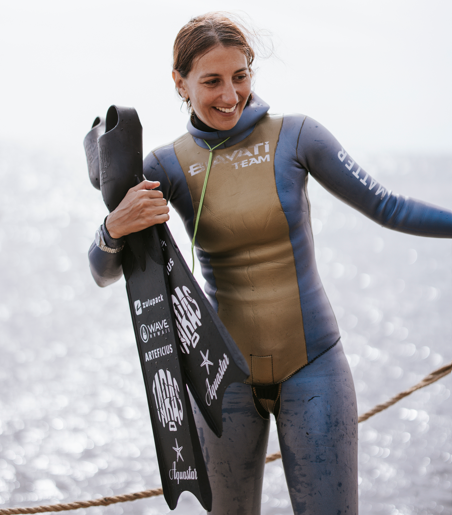
Shooting for Softstar barefoot shoes in Royal Madikwe, South Africa.
I loved wearing the Softstar Switchback boots, they are simply the most comfortable boots I have ever worn and they are suitable for a huge range of terrains and movements.
What I love about them is that the foot is able to work freely and therefore the grip is unprecedent, good for climbing boulders, trees and their rugged Vibram™ Megagrip soles will securely take you through the most extreme treks.
The Switchback boots are super lightweight, breathable, zero drop, and water resistant.
I chose the beige boots with Superfabric® and leather but there is also an all-leather look.
I wrote a whole blog post about barefoot shoes, for more info, read below
RELATED BLOG POSTS
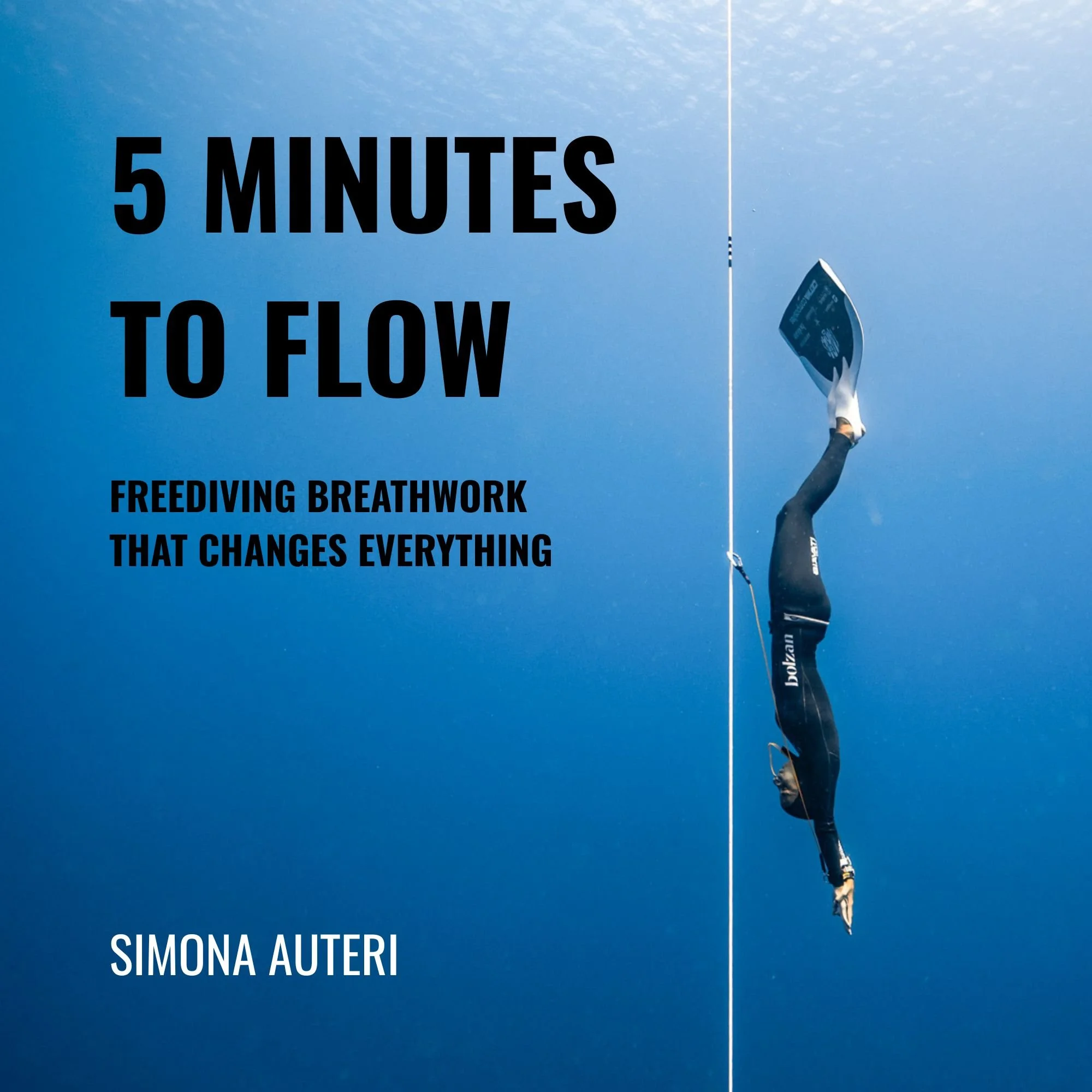
What if some of the most valuable lessons from elite freediving could transform the way we approach pressure in everyday life? Drawing on years of competitive freediving, I developed 5 Minutes to Flow, an experiential methodology exploring the relationship between breath, awareness and human performance. Today, I bring this work to companies, leadership teams and international conferences.
Long before freediving became a competitive sport, it was a way of life. From the Ama of Japan and the Bajau of Southeast Asia to the pioneers of modern depth freediving, its history reveals an extraordinary story of human adaptation, scientific discovery and the continual questioning of perceived limitations.
Long before I broke world records, I struggled to call myself an athlete. Despite years of professional experience as an architect, becoming someone new meant questioning the invisible structures through which I recognised myself. A personal reflection on impostor syndrome, belonging, reinvention and giving ourselves permission to become more than one thing.
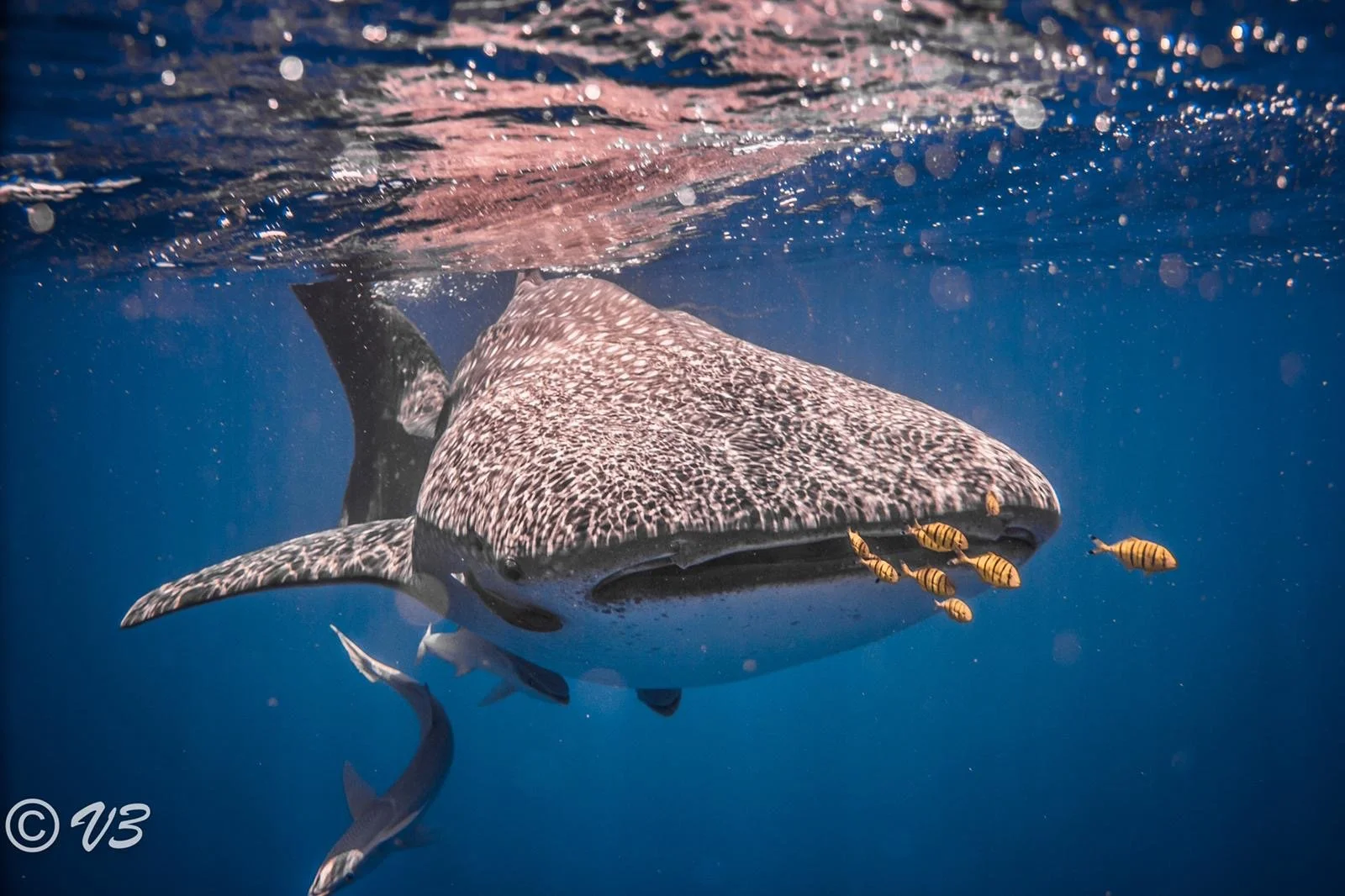
Before the world records and international competitions, a whale shark conservation project in Madagascar transformed my understanding of freediving. From contributing to scientific research to an unforgettable encounter with an entangled whale shark, I discovered what happens when personal capabilities are used in the service of something greater than ourselves.
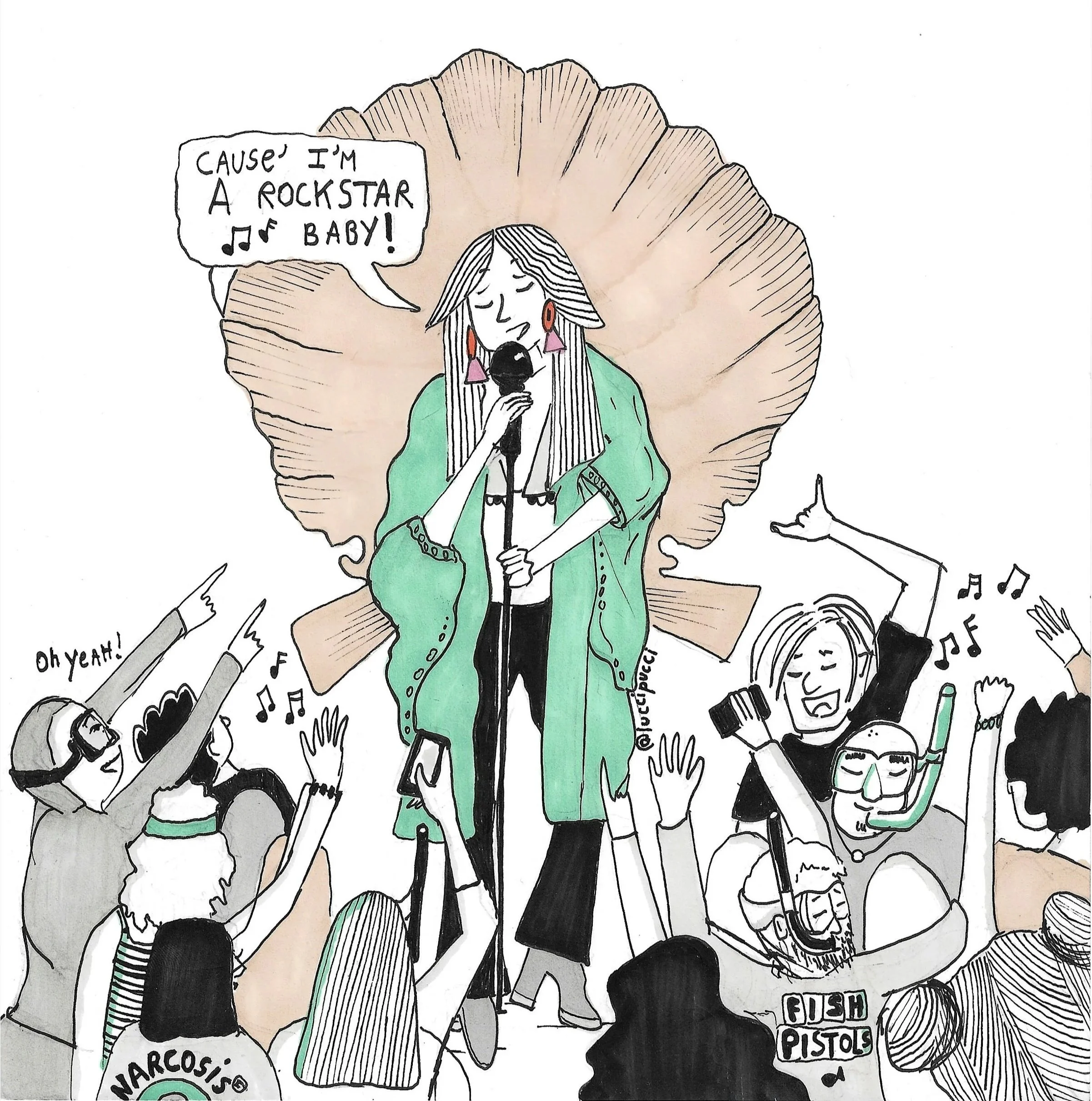
At 86 metres beneath the surface of the Red Sea, I became a rockstar. My first encounter with narcosis revealed something extraordinary about the relationship between physiology and consciousness. Drawing on my experiences in architecture and competitive freediving, I explore how our internal state shapes our perception of reality — and what this can teach us about stress, attention and human performance.
There are moments in life that leave a permanent mark. A path opens before us in the fog, and we follow it with very little awareness of the extraordinary things that await us.
If someone had told me ten years ago that I would leave London during a pandemic, move to a dusty little hippie village on the Red Sea, become a competitive freediver and eventually break world records, I would have laughed.
But life is unpredictable. And incredibly creative.
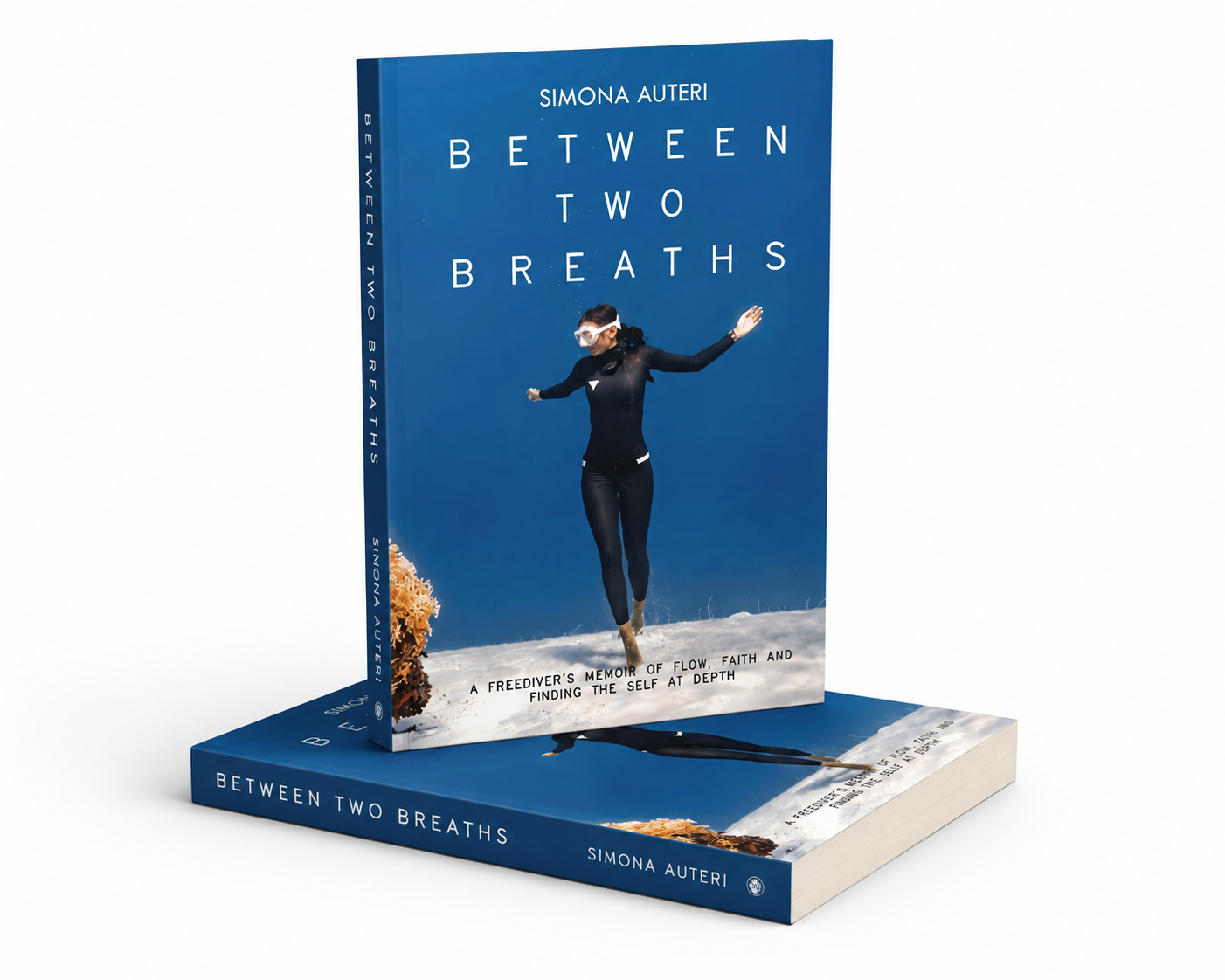
Writing a book shares much with architecture. In fact, I came to realise that writing Between Two Breaths was an architectural project in miniature.
In architecture school, they teach you not to think so much in terms of shapes, forms and colours, but rather to find a concept and then, once you have it, develop a process that makes it real.
Ten years ago, I never imagined I’d leave London for a dusty Red Sea village, discover freediving, and set records beneath the surface. In Dahab, at the legendary Blue Hole, I trained with Gus Kreivenas, pushed past my limits, and discovered the thrill, focus, and freedom that only freediving can offer. This story captures the adventures, challenges, and transformative moments of my underwater journey — from first dives to competitive milestones — and offers inspiration for athletes and ocean explorers alike.
For the third consecutive year, I find myself in Riva del Garda for the Italian Outdoor Freediving Championships, preparing for my fourth World Record.