
Freediving Mindset
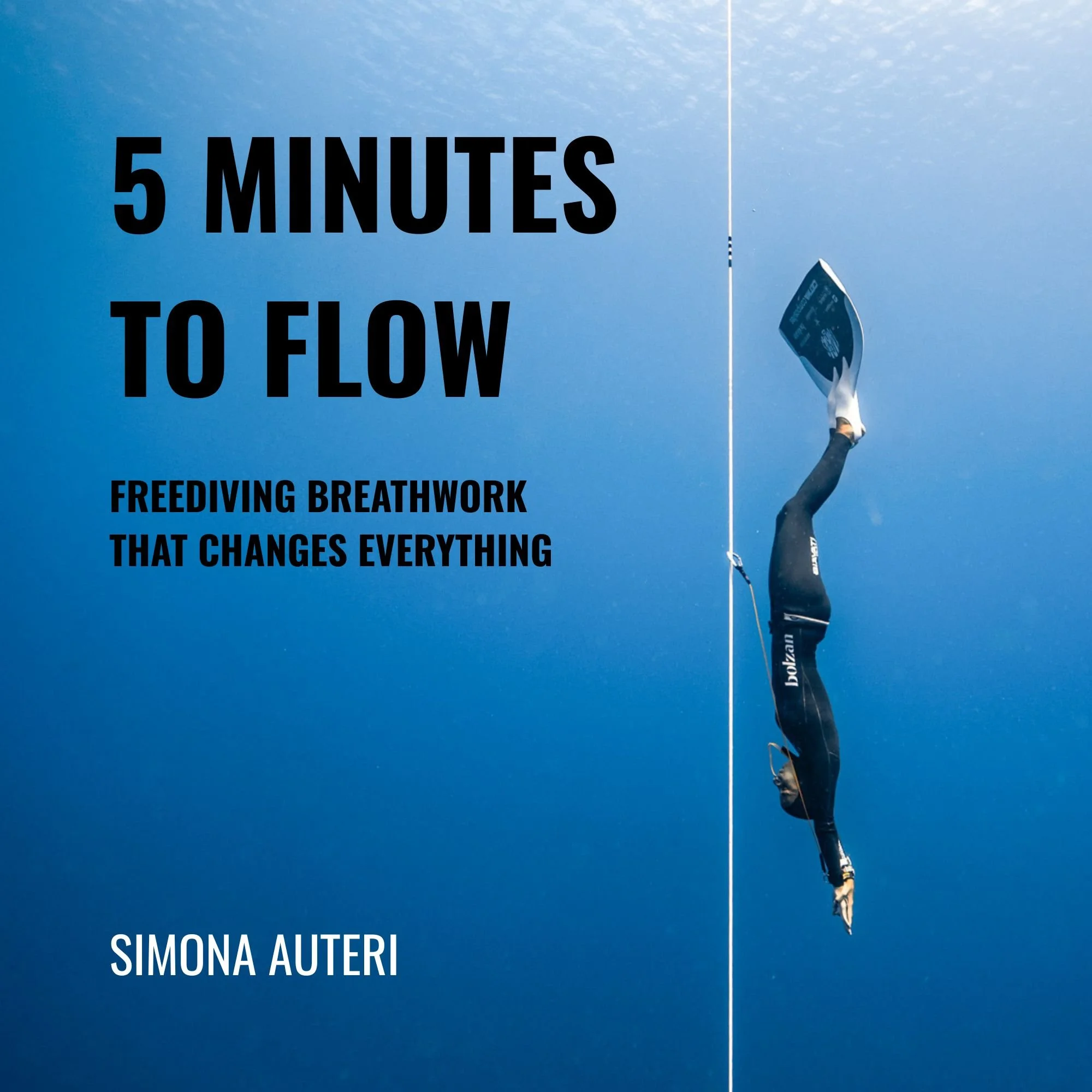
What if some of the most valuable lessons from elite freediving could transform the way we approach pressure in everyday life? Drawing on years of competitive freediving, I developed 5 Minutes to Flow, an experiential methodology exploring the relationship between breath, awareness and human performance. Today, I bring this work to companies, leadership teams and international conferences.
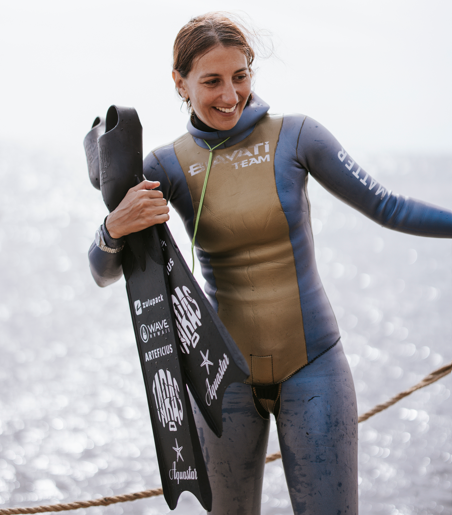
Long before I broke world records, I struggled to call myself an athlete. Despite years of professional experience as an architect, becoming someone new meant questioning the invisible structures through which I recognised myself. A personal reflection on impostor syndrome, belonging, reinvention and giving ourselves permission to become more than one thing.
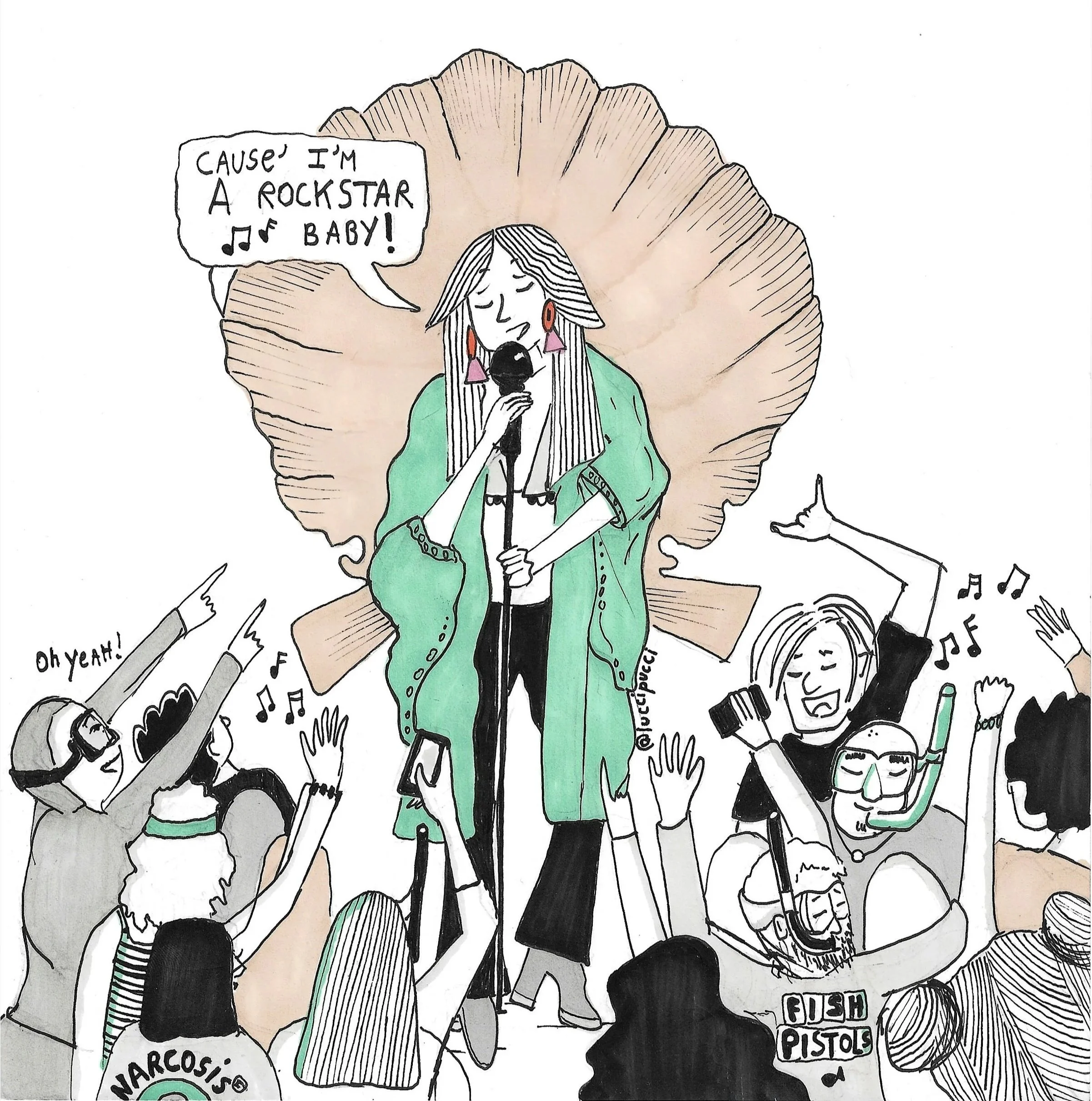
At 86 metres beneath the surface of the Red Sea, I became a rockstar. My first encounter with narcosis revealed something extraordinary about the relationship between physiology and consciousness. Drawing on my experiences in architecture and competitive freediving, I explore how our internal state shapes our perception of reality — and what this can teach us about stress, attention and human performance.
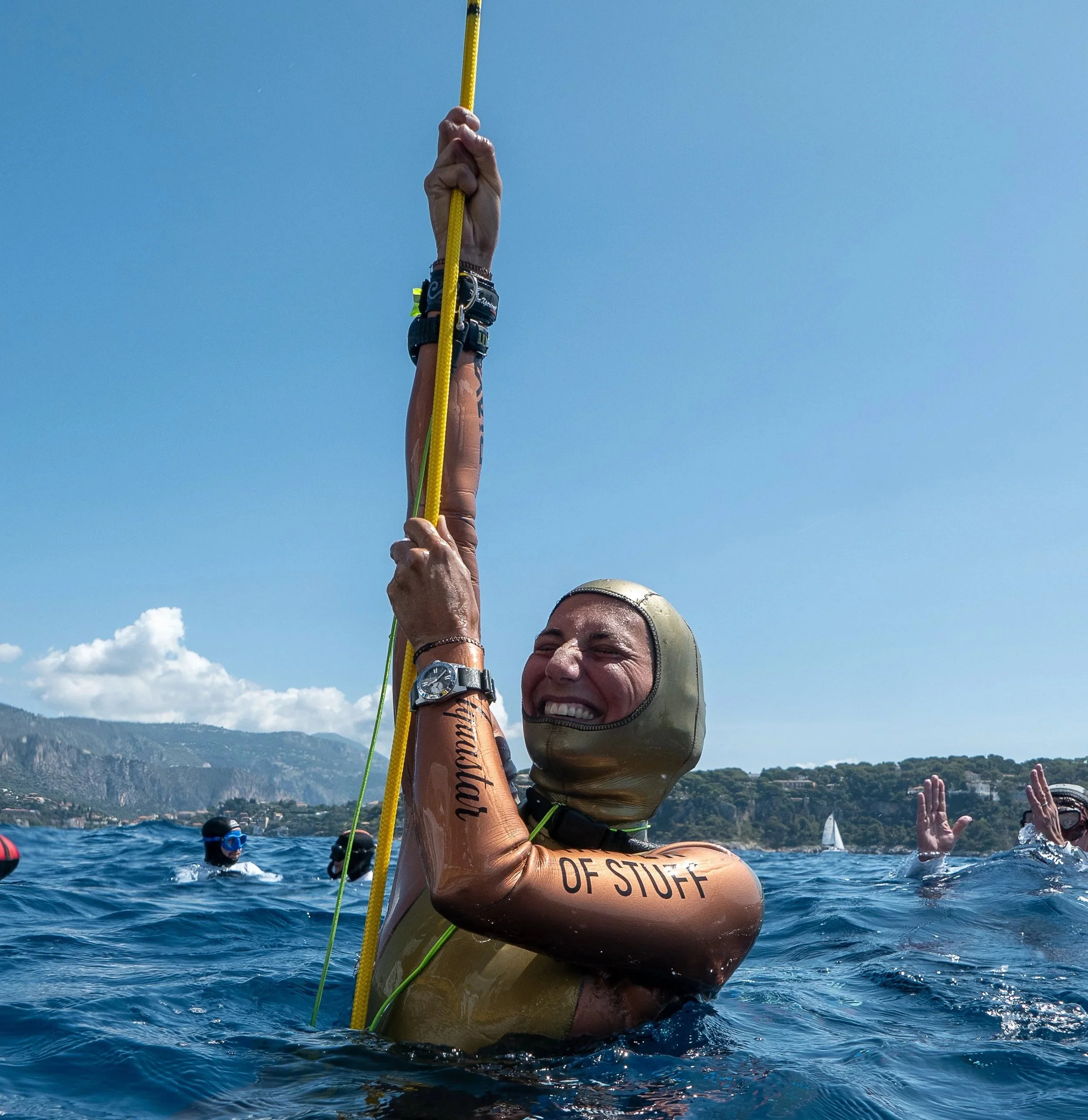
There are moments in life that leave a permanent mark. A path opens before us in the fog, and we follow it with very little awareness of the extraordinary things that await us.
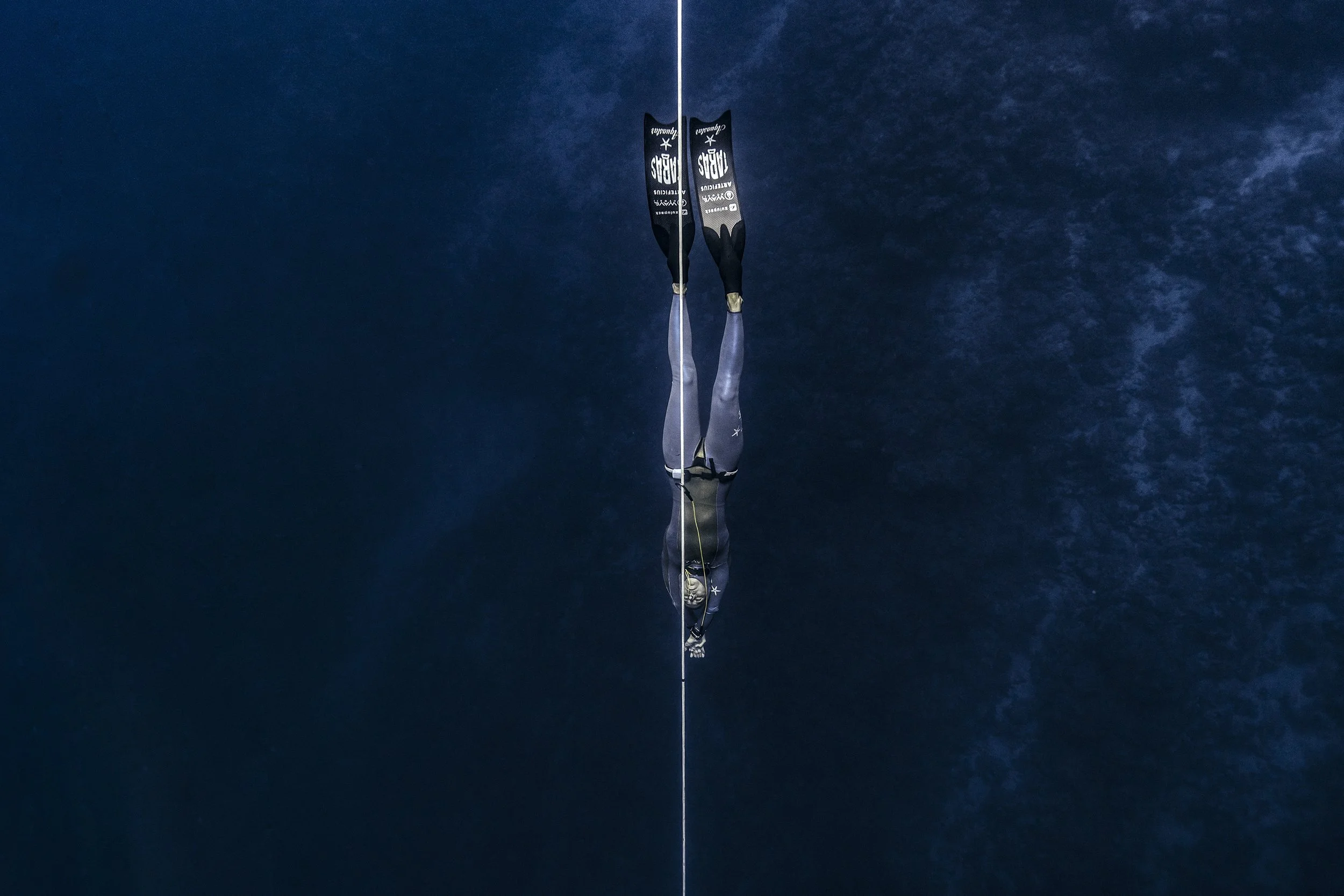
If someone had told me ten years ago that I would leave London during a pandemic, move to a dusty little hippie village on the Red Sea, become a competitive freediver and eventually break world records, I would have laughed.
But life is unpredictable. And incredibly creative.
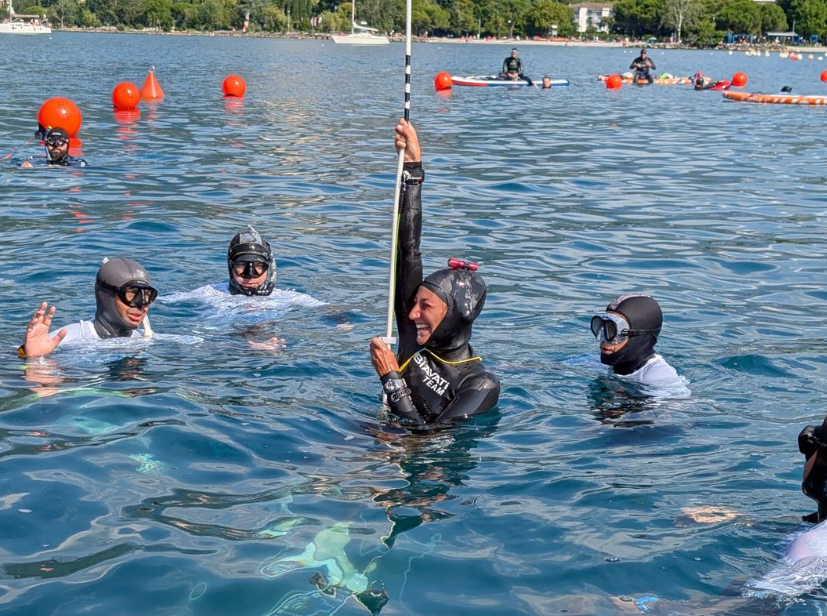
For the third consecutive year, I find myself in Riva del Garda for the Italian Outdoor Freediving Championships, preparing for my fourth World Record.

Behind every success, there’s 100 failures, trials, and mistakes to correct.
As I’m preparing for the last freediving competition of the year, I look back at my past season and the 6 depth competitions I had, which have proved to be huge learning experiences:

When people tell me that I have a natural talent in freediving, I tend to nod in silence, but really, deep down I don’t agree, and I feel my past experiences and hard work are somewhat diminished by the word “talent”.
Whilst my ego agrees it’s nice to feel you have somehow been infused with godliness at birth, on the contrary I feel very human and my ‘talent’ is only a consequence of my hard work (hard skills) and past experiences (soft skills).

Recently I have given a beautiful workshop in my hometown, Genova.
Most of the theoretical part of the workshop was concentrated around the concept that there is no such thing as talent in freediving, nor in any other thing if that matters. My work as a coach has been that to give a name to all things and skills that can be quantifiable in freediving.

The longer freediving tests my patience, the more I am getting tiny, but very sweet gains.
God is in the details they say, and only now that I have repeated 80m about 80 times, I finally start to understand and feel and change some subtle details that I are making a huge difference in my confidence with the depth.

As most deep freedivers will tell you, relaxation plays a massive role in the outcome of a dive.
In the new episode of Alchemy - The Complete Guide, Simona Auteri, one of Italy's deepest women, will show you how to achieve relaxation through simple breathwork tips.

I love freediving for a number of reasons, one of them is the fact that I have become a master in relaxation.
I kind of consider my life as before freediving (BF) and after freediving (AF) and after freediving, I have really mastered my way to relaxation, how to get in the zone, space out, and relax only with the aid of my breath and power of mind.
Beside technique, relaxation is the very fundamental of freediving. Even our ability to equalize depends on our ability to relax and let go. The deeper we want to go, the more we have to let go.