Freediving Performance & Potential
Featured
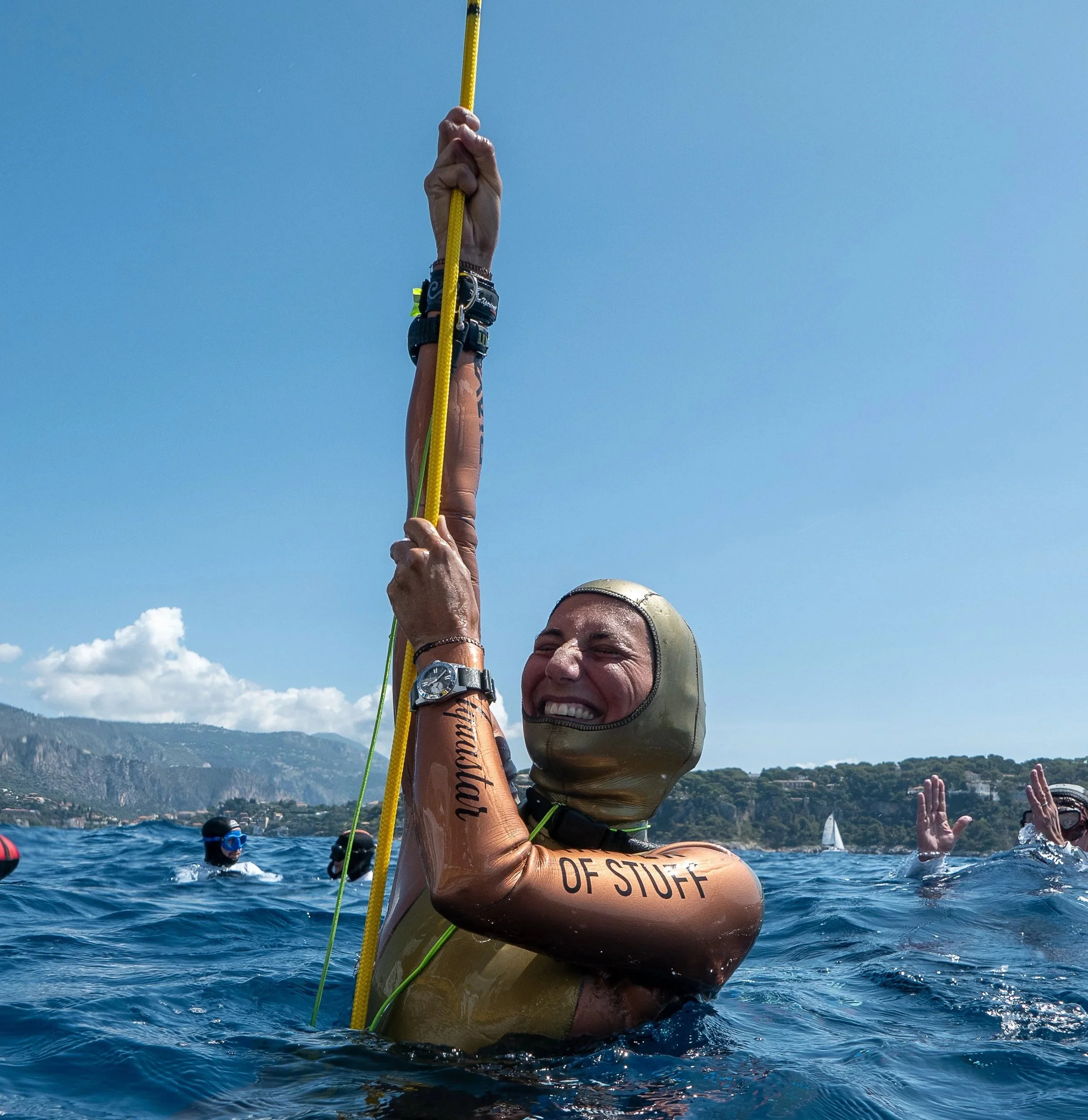
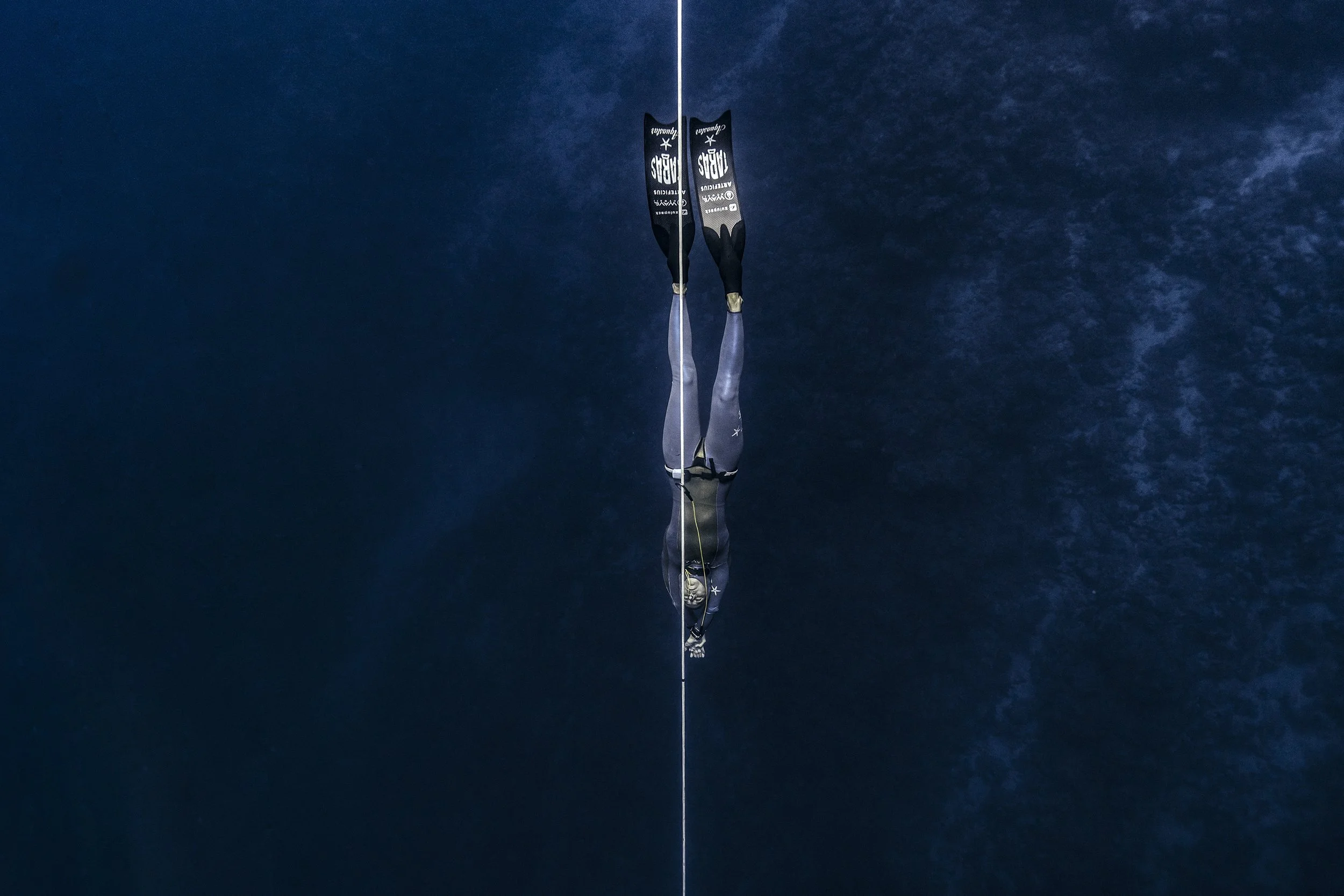
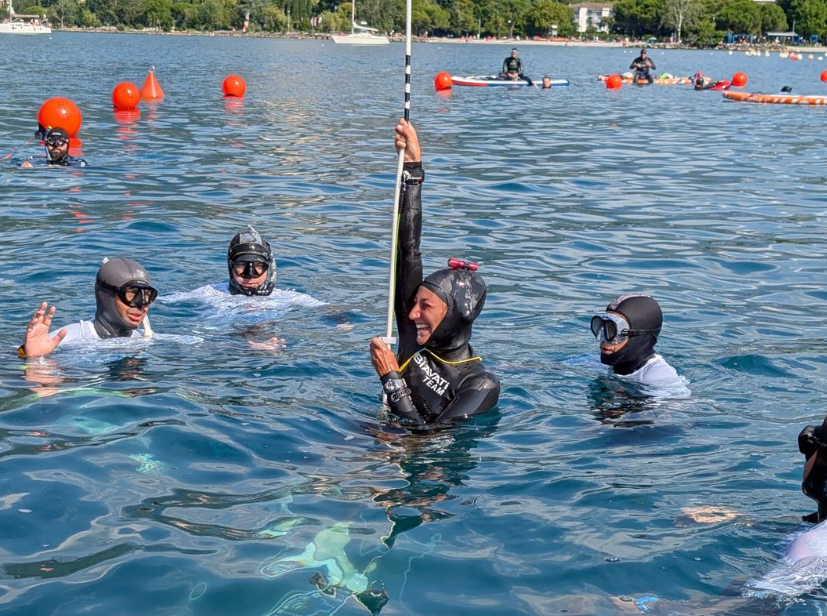
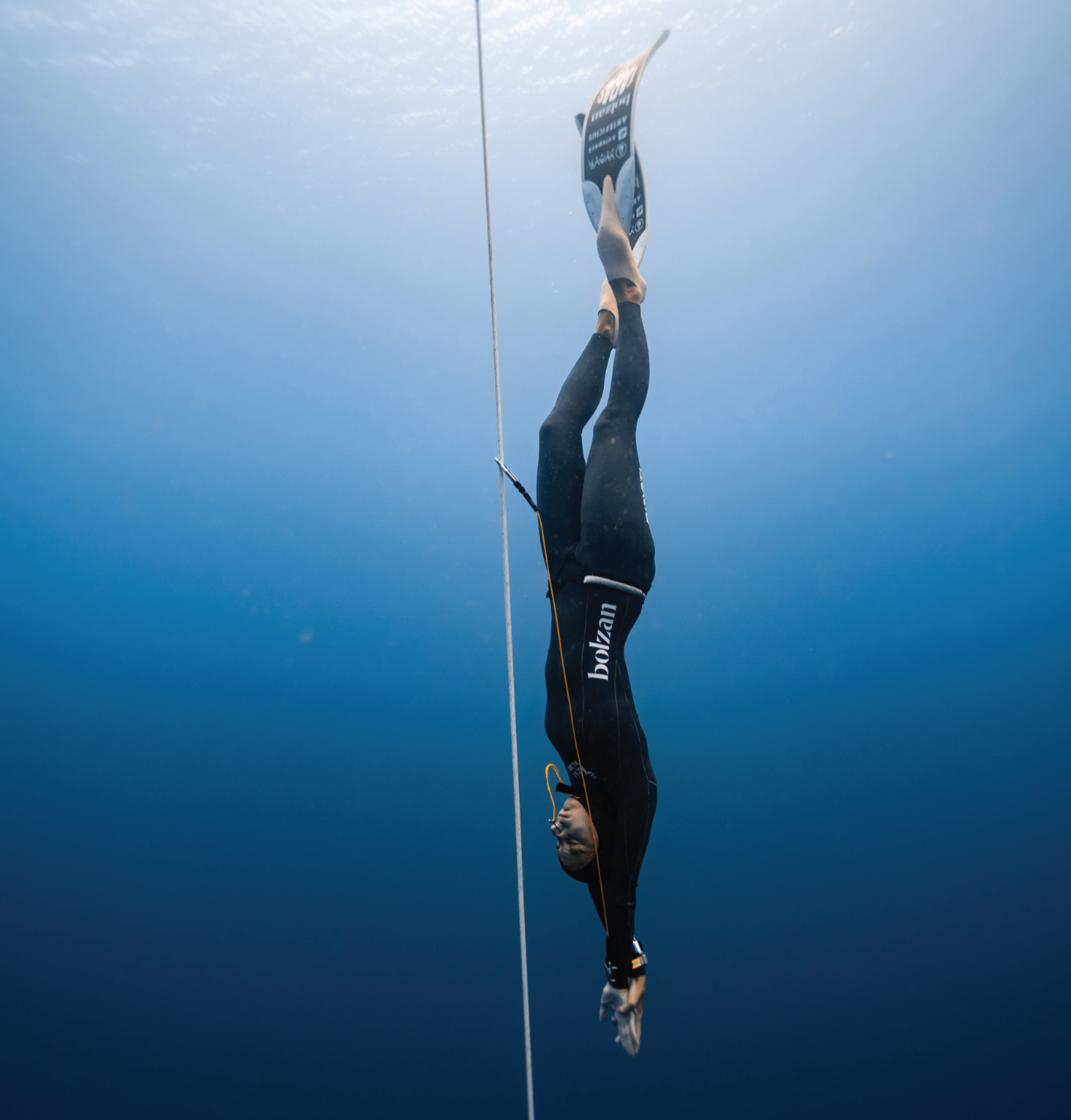



What if some of the most valuable lessons from elite freediving could transform the way we approach pressure in everyday life? Drawing on years of competitive freediving, I developed 5 Minutes to Flow, an experiential methodology exploring the relationship between breath, awareness and human performance. Today, I bring this work to companies, leadership teams and international conferences.
Long before freediving became a competitive sport, it was a way of life. From the Ama of Japan and the Bajau of Southeast Asia to the pioneers of modern depth freediving, its history reveals an extraordinary story of human adaptation, scientific discovery and the continual questioning of perceived limitations.
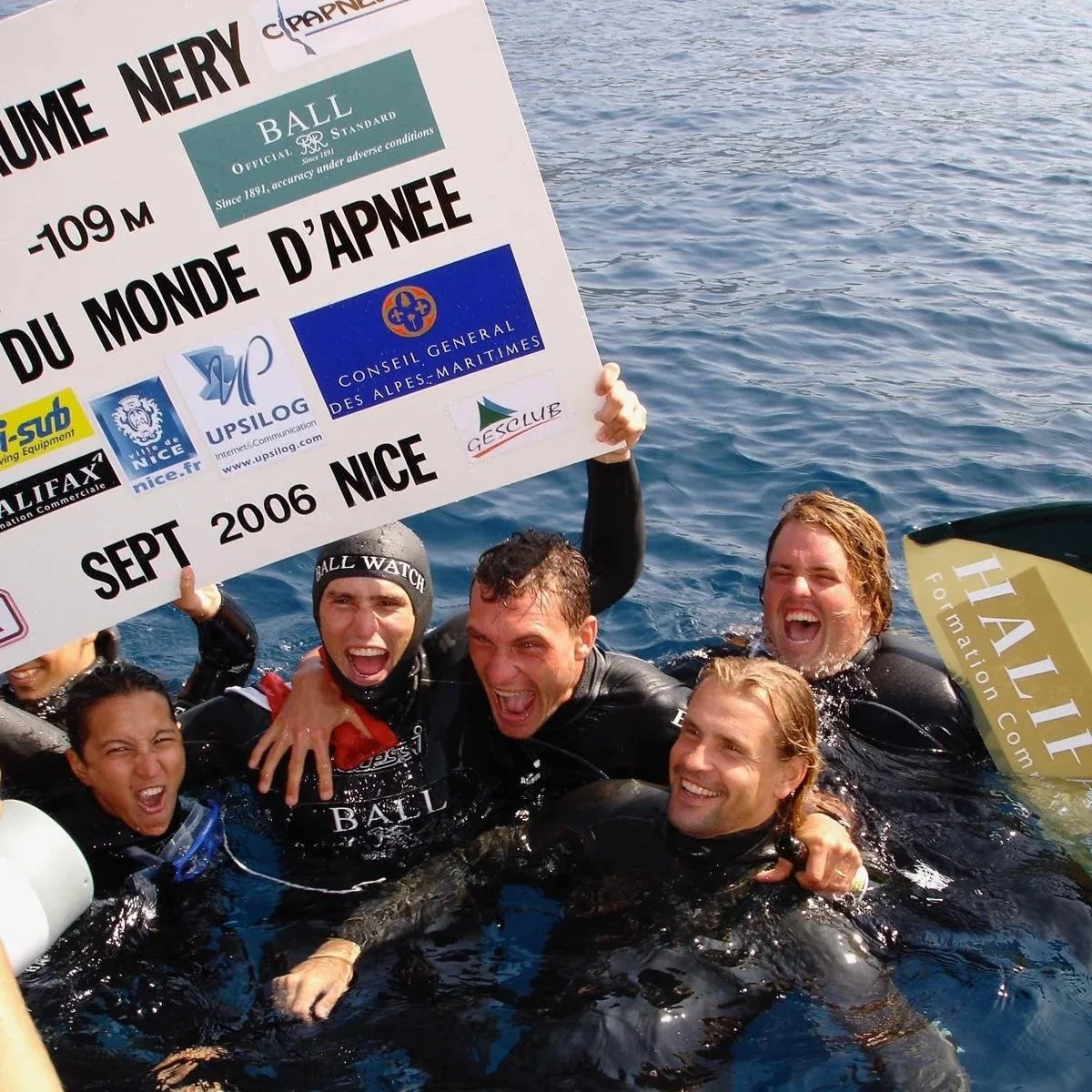
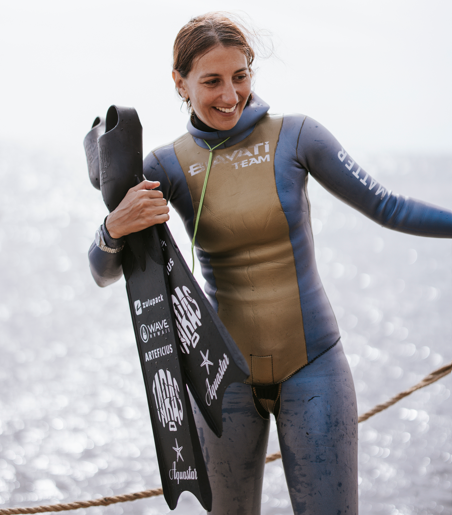
Long before I broke world records, I struggled to call myself an athlete. Despite years of professional experience as an architect, becoming someone new meant questioning the invisible structures through which I recognised myself. A personal reflection on impostor syndrome, belonging, reinvention and giving ourselves permission to become more than one thing.
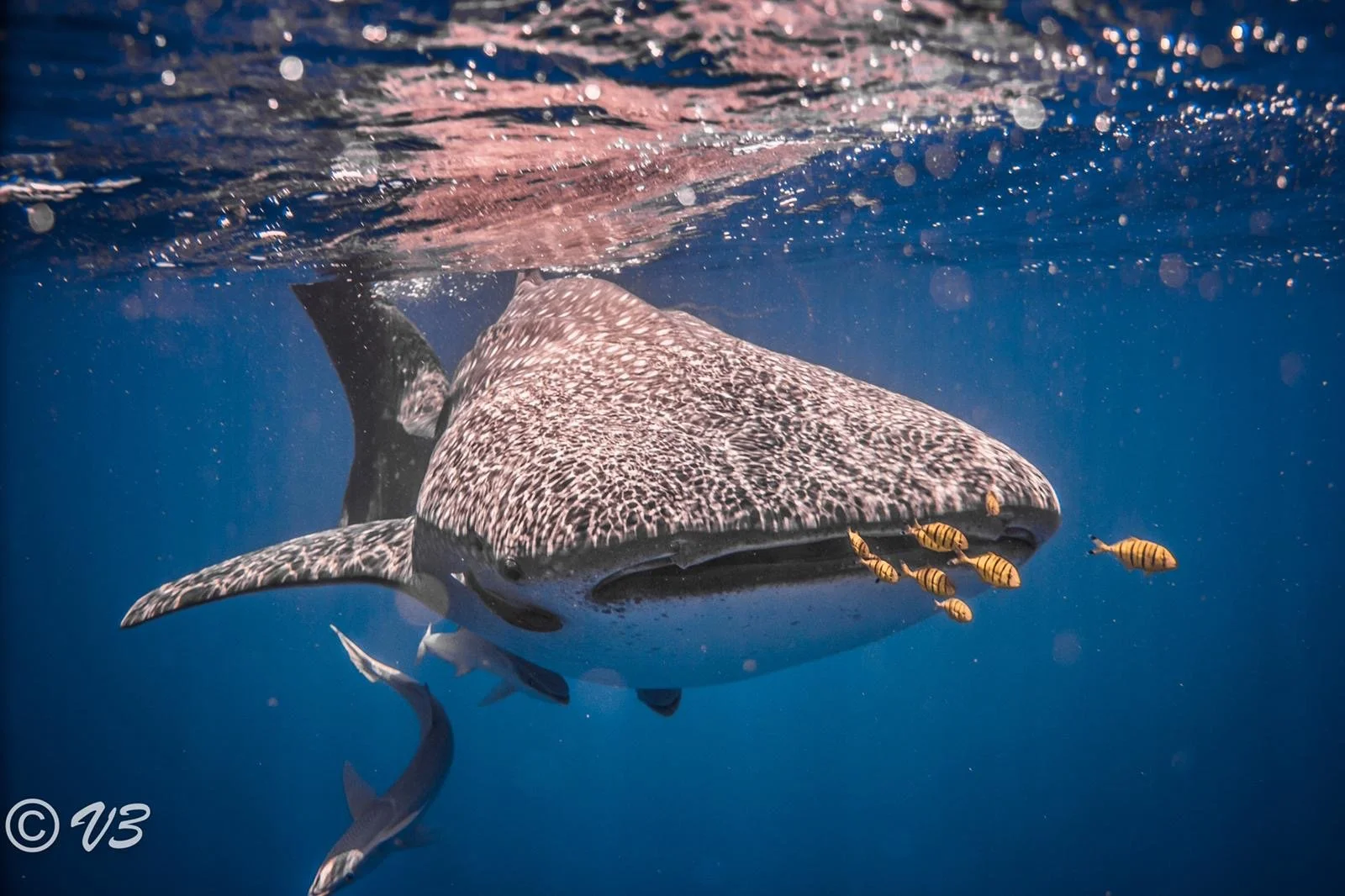
Before the world records and international competitions, a whale shark conservation project in Madagascar transformed my understanding of freediving. From contributing to scientific research to an unforgettable encounter with an entangled whale shark, I discovered what happens when personal capabilities are used in the service of something greater than ourselves.
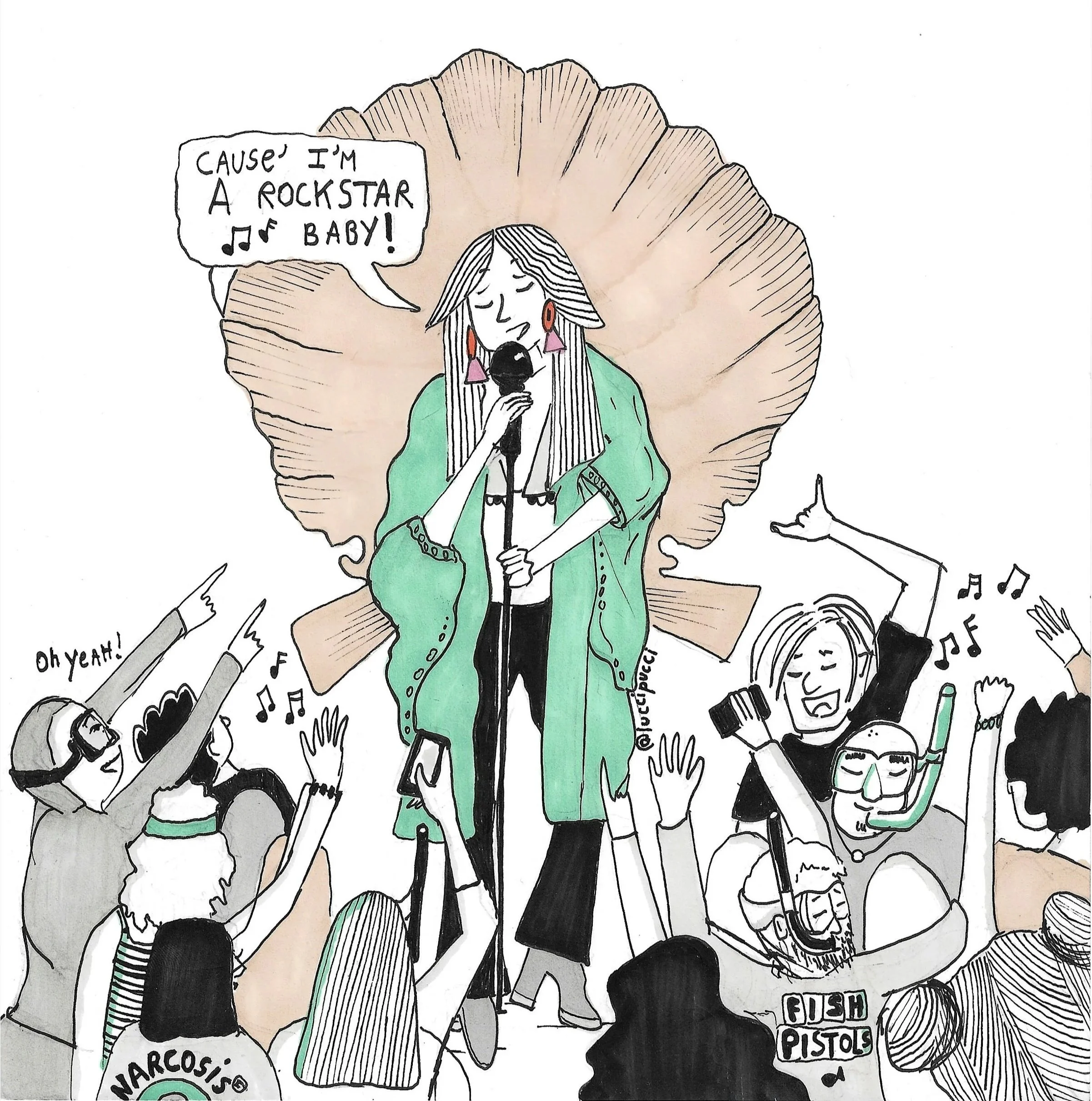
At 86 metres beneath the surface of the Red Sea, I became a rockstar. My first encounter with narcosis revealed something extraordinary about the relationship between physiology and consciousness. Drawing on my experiences in architecture and competitive freediving, I explore how our internal state shapes our perception of reality — and what this can teach us about stress, attention and human performance.
There are moments in life that leave a permanent mark. A path opens before us in the fog, and we follow it with very little awareness of the extraordinary things that await us.
If someone had told me ten years ago that I would leave London during a pandemic, move to a dusty little hippie village on the Red Sea, become a competitive freediver and eventually break world records, I would have laughed.
But life is unpredictable. And incredibly creative.
For the third consecutive year, I find myself in Riva del Garda for the Italian Outdoor Freediving Championships, preparing for my fourth World Record.
I have just returned from the Deep Dominica Cup, the most popular freediving competition of the year, where I won three medals:
Second Place Overall Women
Second Place in Monofin with 92m, following Alessia Zecchini
Third Place in Bifins with 82m
When people tell me that I have a natural talent in freediving, I tend to nod in silence, but really, deep down I don’t agree, and I feel my past experiences and hard work are somewhat diminished by the word “talent”.
Whilst my ego agrees it’s nice to feel you have somehow been infused with godliness at birth, on the contrary I feel very human and my ‘talent’ is only a consequence of my hard work (hard skills) and past experiences (soft skills).
Recently I have given a beautiful workshop in my hometown, Genova.
Most of the theoretical part of the workshop was concentrated around the concept that there is no such thing as talent in freediving, nor in any other thing if that matters. My work as a coach has been that to give a name to all things and skills that can be quantifiable in freediving.
Let’s analyse the lung physiology at depth and freediving lung squeezes a bit more in detail and why do they happen.
As Freediving Competition starts doubled between 2009-2019, a great number of newbies, myself included, approached competitive freediving for the first time.
The idea of joining their first competition might sound daunting for many but it doesn't have to be.
Here below are some recommendations and tips on how to make your first experience a smooth one.
A squeeze is essentially a damage or injury to the lungs or trachea as a result of the effects of increased pressure on the closed gas spaces of the lungs during breath-hold diving. Medically, it is known as lung or trachea barotrauma.
When approaching depth progression there are mainly two types of training cycles depending on the duration of our cycle. Ladder training, also known as linear progression training and Pyramid training, also known as cyclical progression.