Freediving Literature
Featured
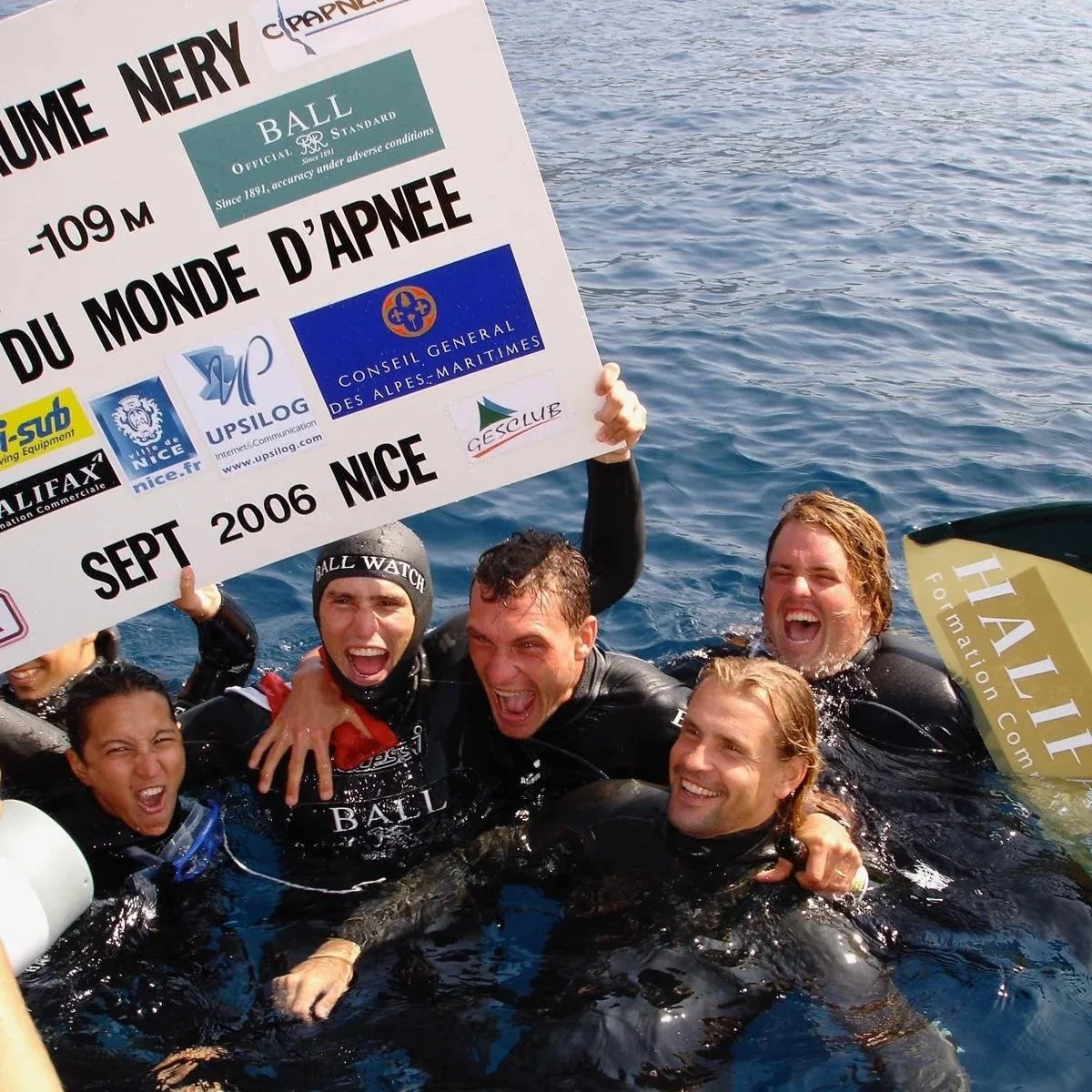


Long before freediving became a competitive sport, it was a way of life. From the Ama of Japan and the Bajau of Southeast Asia to the pioneers of modern depth freediving, its history reveals an extraordinary story of human adaptation, scientific discovery and the continual questioning of perceived limitations.
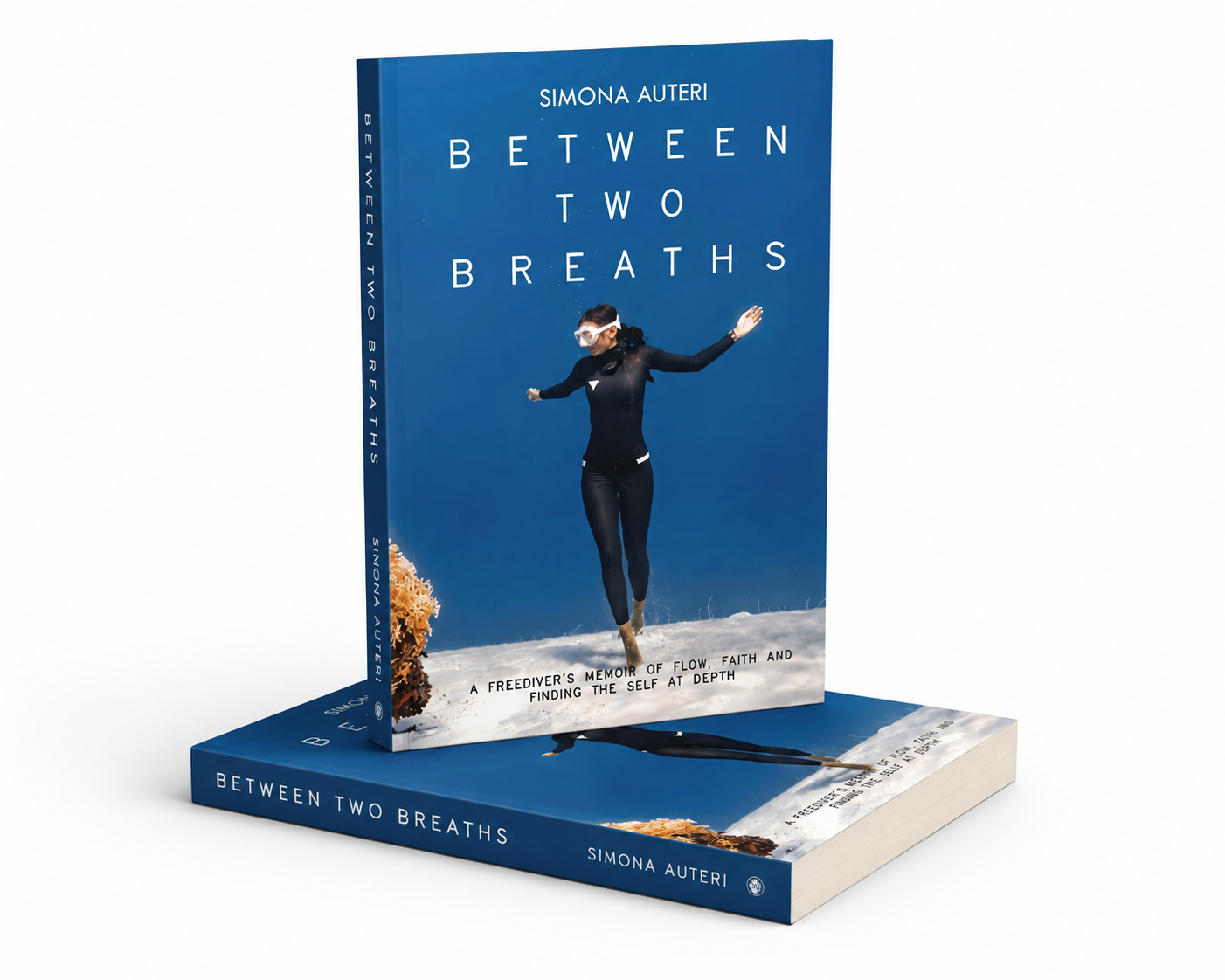
Writing a book shares much with architecture. In fact, I came to realise that writing Between Two Breaths was an architectural project in miniature.
In architecture school, they teach you not to think so much in terms of shapes, forms and colours, but rather to find a concept and then, once you have it, develop a process that makes it real.
Let’s analyse the lung physiology at depth and freediving lung squeezes a bit more in detail and why do they happen.
A squeeze is essentially a damage or injury to the lungs or trachea as a result of the effects of increased pressure on the closed gas spaces of the lungs during breath-hold diving. Medically, it is known as lung or trachea barotrauma.